If your skin suddenly feels tight, stings when you apply products it used to tolerate fine, or looks red and flaky out of nowhere, you may be dealing with a compromised moisture barrier. Learning how to repair a skin barrier starts with understanding what it actually is — and why so many common skincare habits accidentally damage it in the first place.
This guide walks through the damaged skin barrier symptoms to watch for, what typically causes the damage, and a simple skin barrier repair routine you can start today.
What Is the Skin Barrier, Exactly?
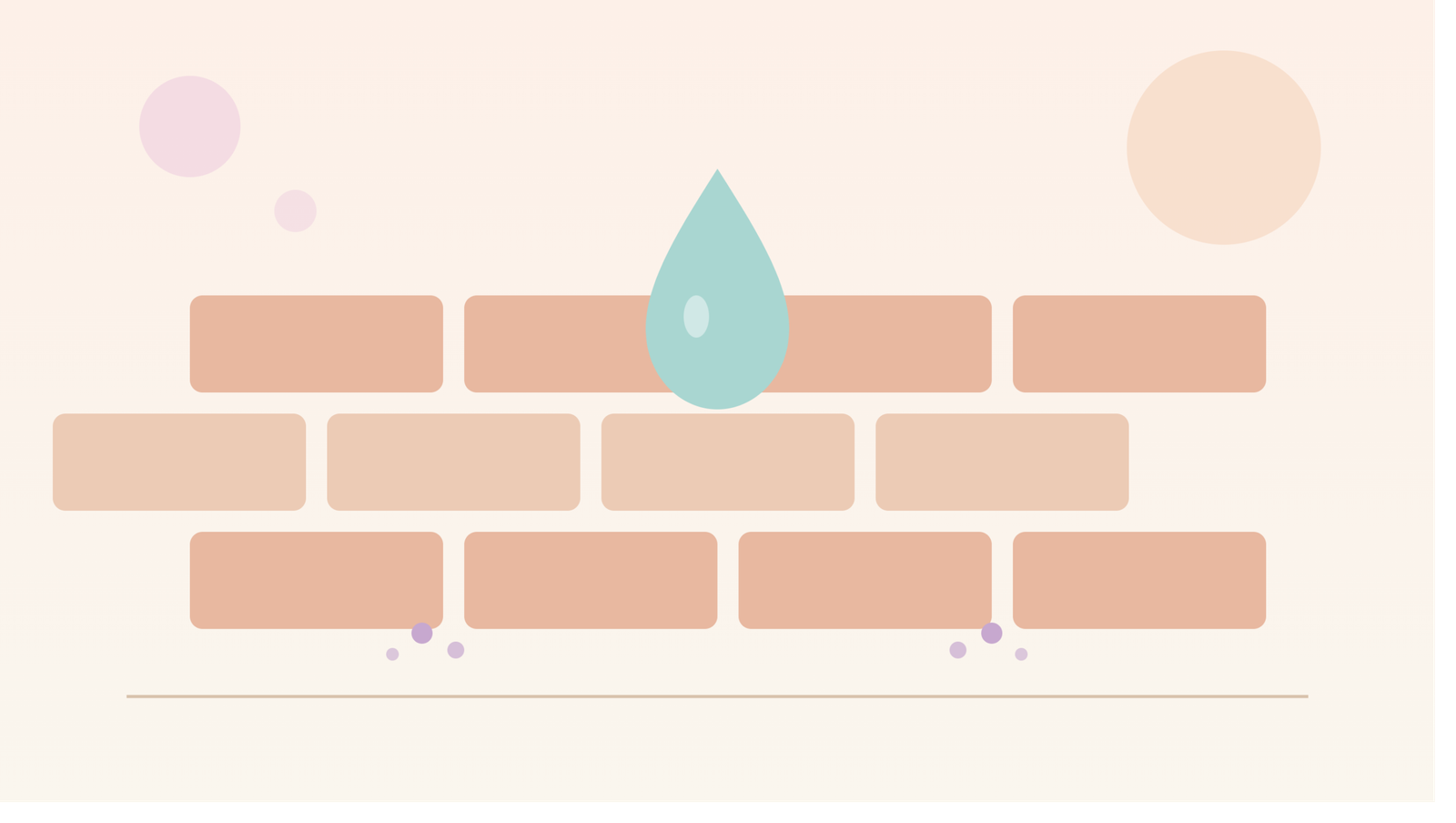
Your skin barrier — technically called the stratum corneum — is the outermost layer of skin. Think of it like a brick wall: skin cells are the bricks, and lipids (fats) are the mortar holding everything together. This barrier’s job is to keep moisture in and irritants, bacteria, and pollutants out.
When that barrier is intact, skin looks plump, feels comfortable, and tolerates products well. When it’s compromised, everything becomes more reactive — including products that never used to bother you.
Damaged Skin Barrier Symptoms
Before jumping into a repair routine, it helps to confirm that’s actually what’s happening. Common signs include:
- Persistent redness or a flushed appearance
- Stinging or burning when applying normally-tolerated products
- Tightness, especially right after cleansing
- Flaking or rough texture that isn’t typical dryness
- Increased breakouts or sensitivity seemingly overnight
- Skin that feels “reactive” to weather changes, wind, or heat
If several of these sound familiar, your barrier likely needs support before you introduce any new actives.
What Causes a Damaged Skin Barrier?
Barrier damage is rarely caused by one single thing — it’s usually the result of accumulated habits, including:
- Over-exfoliating — using physical scrubs, acids, or retinol too frequently
- Over-cleansing — washing more than twice daily, or using harsh, foaming cleansers
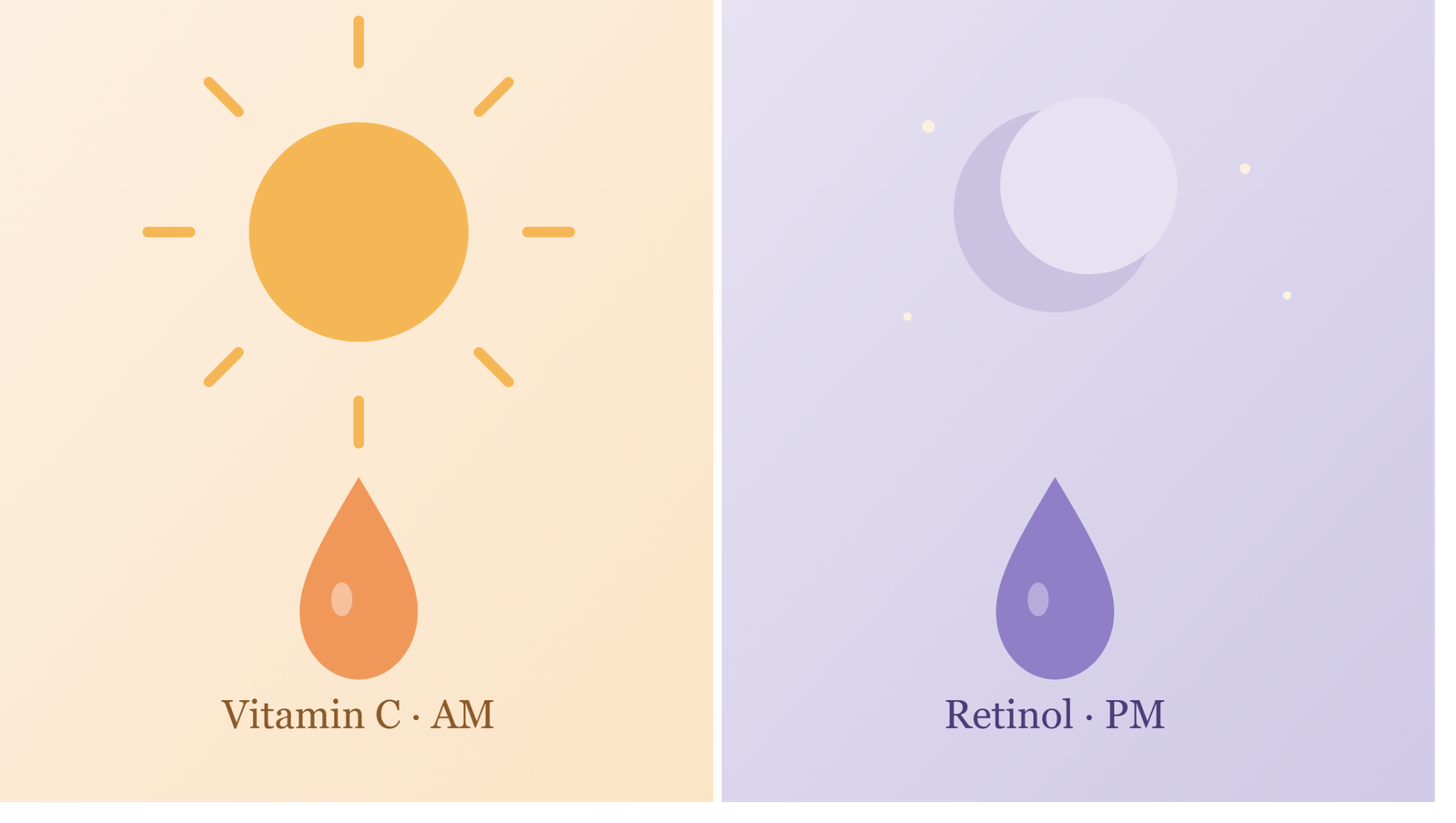
- Layering too many actives at once — combining retinol, vitamin C, and acids without spacing them out
- Hot water — long, hot showers strip natural oils from facial skin
- Environmental stress — wind, cold, or prolonged sun exposure
- Skipping moisturizer — even on oily or acne-prone skin
The Skin Barrier Repair Routine
Step 1: Pause Active Ingredients Completely
This is the step most people skip — and it’s the most important. Stop using retinol, exfoliating acids (AHA/BHA), and physical scrubs entirely for at least 1–2 weeks. Continuing actives while trying to repair the barrier is like trying to heal a cut while still picking at it.
Step 2: Simplify Your Cleanser
Switch to a fragrance-free, non-foaming, creamy cleanser. Foaming cleansers often contain sulfates that strip the very lipids your barrier needs to heal. Cleanse with lukewarm water only — never hot.
Step 3: Add Barrier-Repairing Ingredients
Look for products built around these key ingredients, which mimic the skin’s natural lipid composition:
- Ceramides — replenish the “mortar” between skin cells
- Cholesterol and fatty acids — support the skin’s natural lipid barrier
- Centella asiatica (Cica) — calms inflammation and redness
- Panthenol (Pro-Vitamin B5) — soothes and supports healing
- Squalane — lightweight, non-comedogenic barrier support
Step 4: Layer Hydration, Not Just Moisture
There’s a difference between hydrating (adding water) and moisturizing (sealing it in). A damaged barrier benefits from both:
- A hydrating, humectant-based serum (hyaluronic acid, glycerin)
- A ceramide-rich moisturizer layered on top to lock hydration in
Step 5: Don’t Skip SPF
A damaged barrier is more vulnerable to UV damage, not less. Use a fragrance-free, mineral sunscreen if your skin is especially reactive — zinc oxide-based formulas tend to be gentler than chemical filters during recovery.
Step 6: Give It Time
Skin barrier repair typically takes anywhere from 2 to 6 weeks, depending on how compromised it was. Reintroduce actives slowly and one at a time once symptoms have fully resolved — starting with the mildest option first.
What to Avoid During Recovery
- Fragranced products, including “natural” essential oil-based skincare
- Exfoliating scrubs or acids of any kind
- Retinol or retinoids
- Alcohol-based toners
- Hot showers or hot water on the face
- Introducing multiple new products at once (makes it hard to identify what’s helping or hurting)
Frequently Asked Questions
How long does it take to repair a damaged skin barrier? Most people see meaningful improvement within 2–6 weeks of consistent, gentle care, though severely compromised barriers can take longer.
Can I still wear makeup while repairing my skin barrier? Yes, but opt for minimal, fragrance-free formulas and make sure to remove it gently at the end of the day without over-cleansing.
What ingredients should I avoid with a damaged skin barrier? Avoid retinol, exfoliating acids (AHA/BHA), physical scrubs, fragrance, and alcohol-based products until your barrier has fully recovered.
Final Thoughts
Learning how to repair a skin barrier really comes down to one principle: less is more. Strip your routine back to the essentials, prioritize ceramides and gentle hydration, and resist the urge to reintroduce actives too soon. A little patience now prevents the frustrating cycle of chronic sensitivity later.
Disclaimer: This article is for informational purposes only and is not a substitute for professional dermatological advice. Consult a dermatologist if symptoms persist or worsen.